Our Story
We are five diverse, long-time friends engaged in progressive, intersectional feminist activism, policy advocacy, and popular education with various movements in the US and internationally for more than 30 years. A variety of people and groups have expressed the need for a trusted, permanent, easy-to-use space where people can learn, confer about, access and share materials, as well as document the use of popular education, economic literacy and participatory action research in a wide range of settings.
Given the times we are living in, we decided to establish an Intersectional Feminist Popular Education and Activism Archive and an Intersectional Feminist Popular Education Hub. We chose to partner with the University of Massachusetts – Amherst because of its array of noted progressive faculty in relevant fields. Its Archives and Library staff share our ethos and are leaders in the digitization of resources. They have a strong commitment to making archives accessible for education and activism today. Over time, the Archive will grow to capture the stories of many others, and the Hub’s management team will expand to incorporate more partners in the US and around the world.
Our Vision
Find easy-to-understand explanations of the philosophy and techniques for popular education, economic literacy/popular economics, and participatory action research.
Discover tools and techniques to meet the challenges and opportunities you are facing.
Be inspired. Easily connect with a large network of practitioners, educators, facilitators and organizers in the US and internationally. Get new ideas, broaden your horizons, and help cross-pollinate within and across movements.
Engage in meaningful opportunities to talk shop, get advice, workshop ideas, and learn how these techniques are being used in a wide variety of settings around the world. (Over time, we hope to offer these conversations in multiple languages.)
Our Mission
Serve as a repository of popular education as well as related tools and methodologies from a variety of practitioners working on these issues, making them easily available to all and preserving them for posterity in a trusted, secure, location.
Provide a multigenerational, multicultural, and multilingual space for advancing the development and use of popular educational methodologies and curricula, as well as foster skill-building and cross-fertilization among popular educators and organizers for progressive movement-building. We aim to do this virtually, as well as live and in-person.
What The Hub Offers
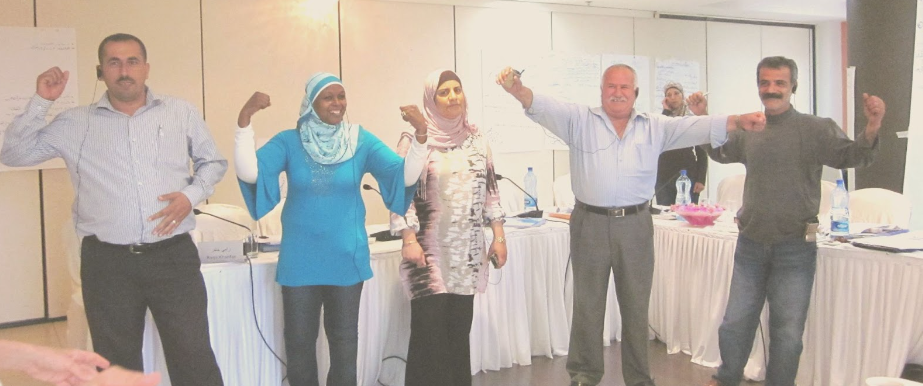
We aim for this website to be designed so you easily find what you need – and perhaps discover something helpful that you didn’t realize you needed. This debut version focuses on tools and stories relevant for today’s activists, organizers, facilitators and economics instructors.
Over time, we will be linking to both our UMass Archives and other Archives so you can search for historical resources on-line – such as tools, curricula and oral histories documenting how popular education was used in successful organizing efforts, as well helpful economics course syllabi and popular economics materials.
We are in the process of planning regular virtual programs through this website to meet the needs of activist groups, organizers, and economics instructors. Consult the News and Events section for upcoming programs. Some will be public, open to all, and some may be by invitation. If you or your group would like to suggest a program or have a need for a Hub-facilitated conversation, please be in touch.
Various members of our team may be available to assist with program design, facilitation, and coaching. Please be in touch if you would like to explore tapping one or more of us to help plan or facilitate something for you. You may also want to consult our budding directory of popular education groups and facilitators to find relevant assistance.
Who We Are
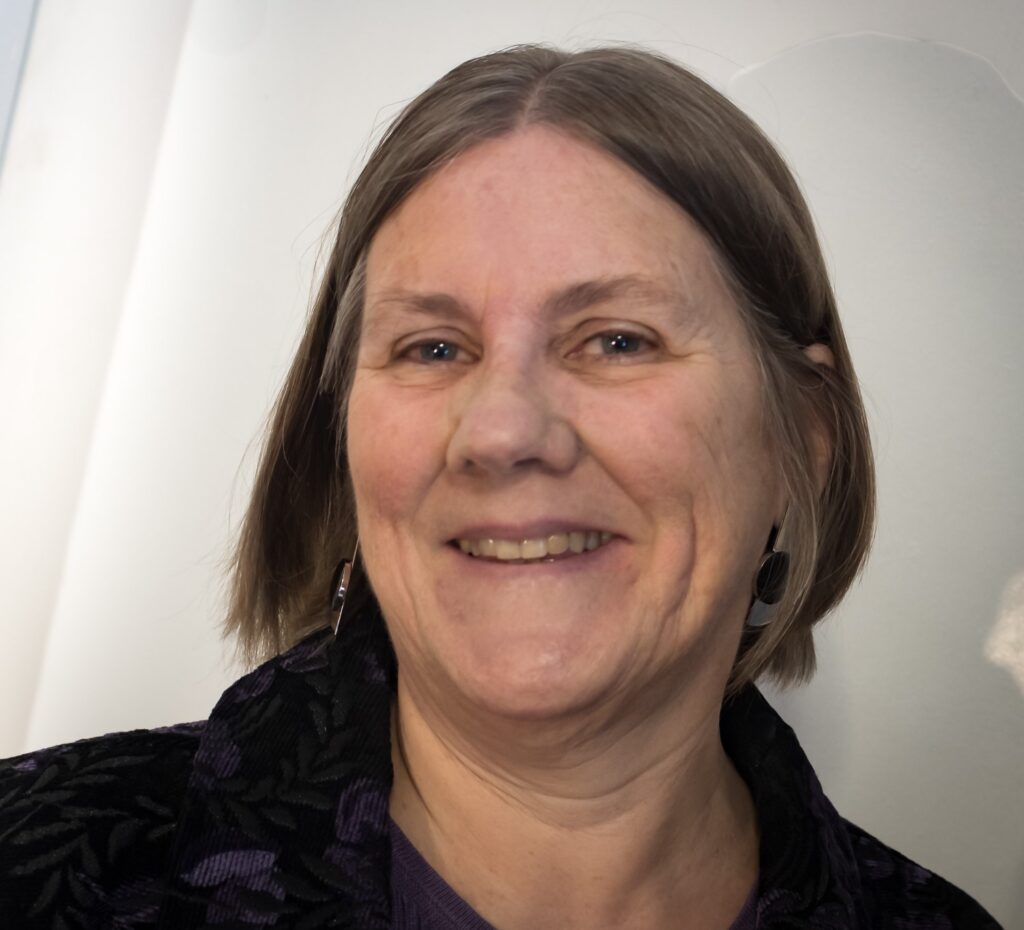
Carol Barton
Carol Barton is a popular educator and policy advocate. She is currently co-convener of the international Women in Migration Network.
Carol is passionate about building coalitions that link gender, race and class, working to build women’s power for social justice. She co-founded Alternative Women in Development/New York in the 1990s, which was active at the UN Beijing 4th World Conference on Women and helped create the Economic Literacy Action Network (ELAN). She served on the economic literacy team of the International Gender and Trade Network, active in the 2000s.
With elmira Nazombe, Carol led the Women’s International Coalition for Economic Justice (WICEJ) from 2000 through 2005. WICEJ was active in the UN Commission on the Status of Women, the World Conference Against Racism, and the Financing for Development Conference as well as the Feminist Dialogues linked to the World Social Forums in India (2004) and Brazil (2005).
Carol led the Immigrant & Civil Rights Initiative and the Living Wage for All campaign with United Methodist Women. She holds a master’s in political economy from the New School for Social Research.
Ying Ling Leung
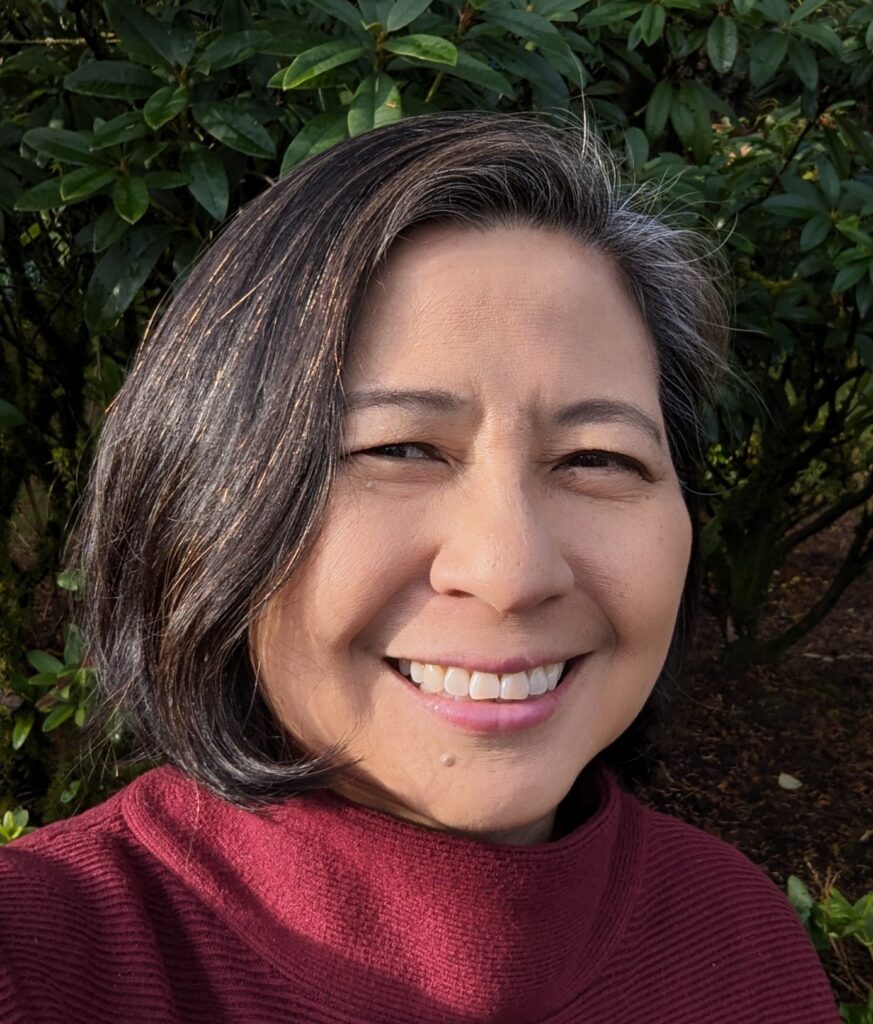
Yin Ling Leung is cofounder and Chair of Applied Research Work, Inc. a health information technology company working to transform US health care toward health equity, prevention and value-based care.
Her life’s work has spanned organizing for better working conditions for immigrant workers, preventing toxic exposure for communities of color, reproductive health & justice, and advocating for democratic philanthropy.
Throughout her own organizing work, she loved how Popular Education engages people to exercise their voice and power to improve their communities through better understanding the larger, global socio-economic forces that shape their world.
Yin held key leadership roles at Asian Immigrant Women Advocates, Asian Pacific Environmental Network, and Asians and Pacific Islanders for Reproductive Health and was one of the founding sisters and a Director of Organizing for the National Asian Pacific American Women’s Forum.
She has served as a strategist with the New World Foundation, Ford Foundation, Social Justice Fund Northwest, Women’s Funding Alliance, Communities for a Better Environment, Asian Americans/Pacific Islanders in Philanthropy, and the Ms Foundation for Women.
Yin spent her childhood in Hawai’i and is a graduate of Oberlin College and Stanford University. Her family life and communities include Kolkata, India, Hawai’i Island, San Francisco Bay Area and most recently the Puget Sound.
elmira Nazombe
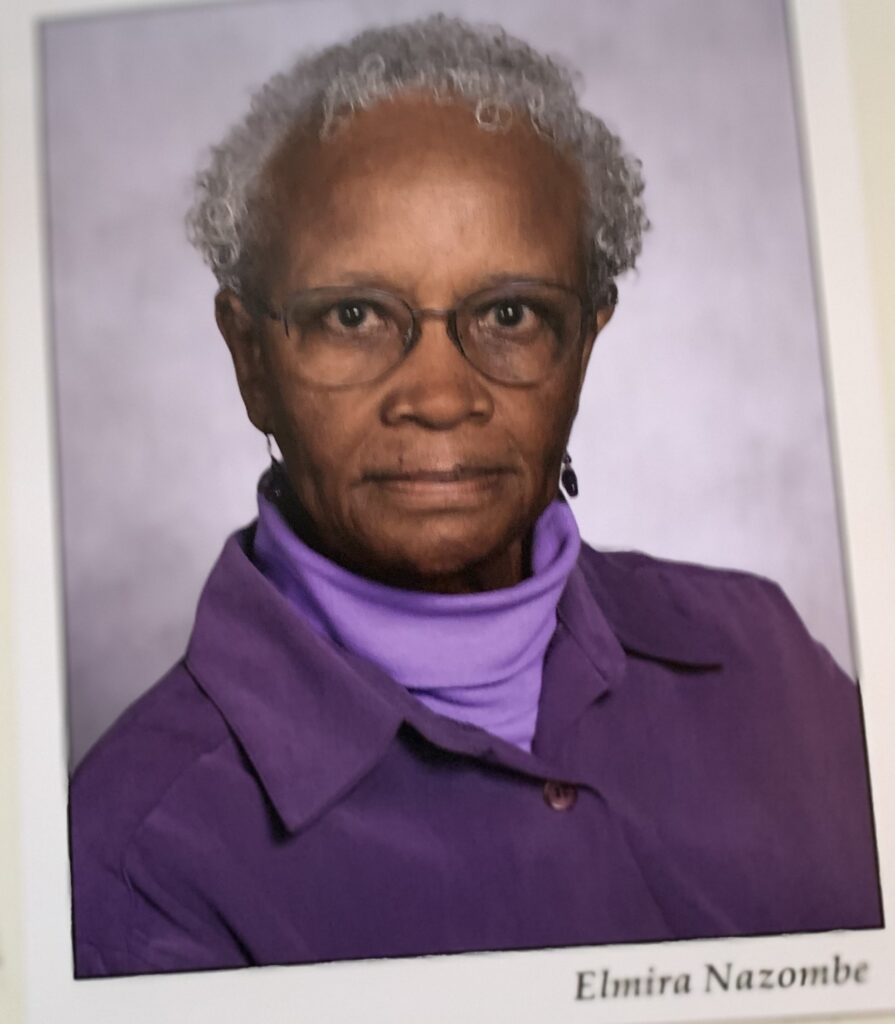
elmira Nazombe has worked in the areas of popular education, social, economic and racial justice for over five decades. Inspired by her faith and the powerful activism she learned from her grandmother, elmira was a leader in the Methodist Student Movement and president of the National Student Christian Federation while in college. With a degree in urban planning, after graduation, elmira lived and worked for 10 years in east and southern Africa working as an urban planner and journalist. She also held positions with the All Africa Conference of Churches and the National Christian Council of Kenya.
elmira has worked as a social justice educator for the past 25 years. She was an Executive Secretary for Racial Justice for United Methodist Women – one of the largest women’s organizations in the US with some 800,000 members. She also served as the Human Rights Education Director for the Center for Women’s Global Leadership at Rutgers, The State University of New Jersey.
elmira holds a doctorate in Education (Ed.D) from Rutgers. Her dissertation focused on women using popular education to work for social and economic transformation. For the last 12 years, she has been teaching social justice courses at Rutgers, hoping to nurture a new generation of social justice activists.
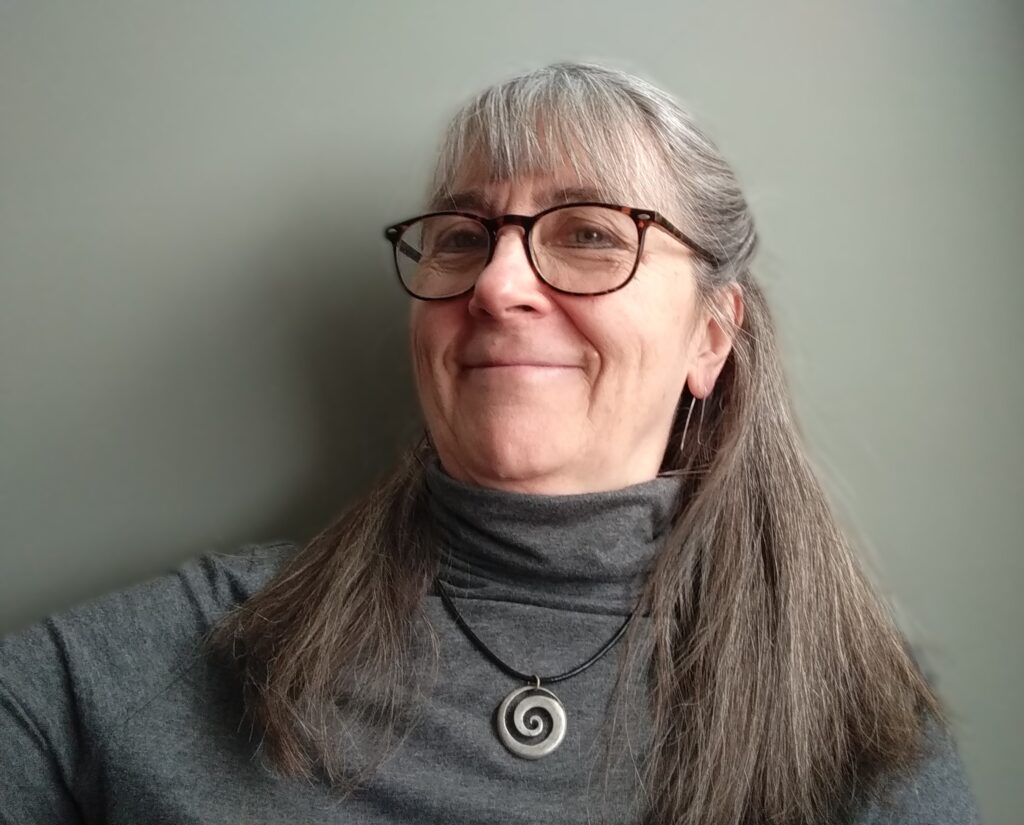
Pamela Sparr
Pam is Director for the Feminist Popular Education Hub and Archives project, an opportunity to bring together many of her strengths in service to our collective vision.
Some of her specialties are: launching new justice programs and advocacy campaigns; developing innovative popular education and economic literacy initiatives designed to foster collective as well as personal growth and transformation; strategic planning; program design and management. She has brought these skills to non-profits such as The Solidarity Center, The Ford Foundation/Brookings Institution, The Women’s Division of the United Methodist Church, and the Unitarian Universalist Service Committee, among others.
Pam’s popular educational and advocacy work has led her into a wide range of challenging and wonderful experiences around the world. Three examples: collaborating with Egyptian trade union educators responsible for assisting unions to address the existential challenge of privatization of their state-owned enterprises; designing a pan-Asian multi-faith leadership summit for young women grappling with a climate challenged world in the shadow of the Fukushima nuclear accident; and, bringing a group of influential leaders to Detroit to open their eyes, hearts and minds to the fact that racism, poverty and environmental injustice were intertwined and needed to be addressed together in their work.
She is a graduate of Oberlin College and The New School for Social Research.
Mariama Williams
Mariama Williams Ph.D. (Economics) is the Senior Advisor to the Global Afro-descendant Climate Justice Collaborative. She is delighted to be able to bring her whole self into this path-breaking initiative — her climate policy expertise, her popular economics background, and her holistic health training.
Mariama has extensive international experience advising governments and NGOs on climate finance, trade, debt and development issues as part of various United Nations task forces, a program coordinator at the South Centre, and a Senior Associate for Development Alternatives with Women for a New Era (DAWN).
She broke new ground in introducing a feminist analysis into the climate finance policy debate as coordinating lead author (2018-2020) for the Chapter on Climate Investment and Finance, Working Group III – Mitigation, the Sixth Assessment Report of the Inter-governmental Panel on Climate Change (IPCC, 2022). Among her many publications, she authored Gender and Climate Finance: Coming out of the Margin (Routledge).
Mariama is currently a member of the Caribbean Action Network, the Gender and Trade Coalition and on the Board of Trustees of the Institute of Law and Economics (ILE, Jamaica).
She also has a master of science in yoga therapy and is a certified yoga therapist and an experienced registered yoga teacher with the Yoga Alliance.